
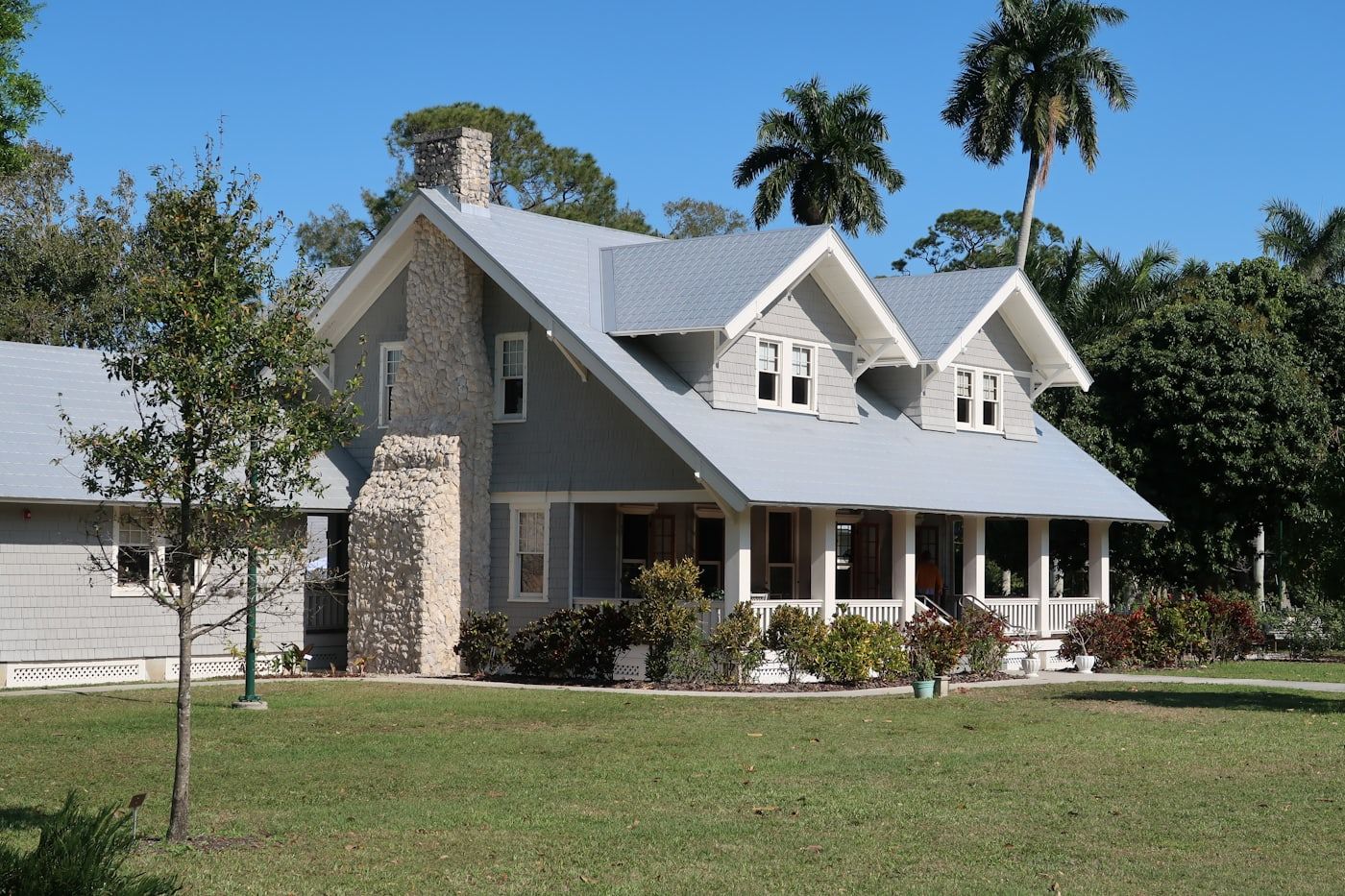
Short answer: In California, a house that was in the person's name alone (not in a trust, not held jointly, with no transfer-on-death deed) usually goes through probate. The court appoints a personal representative, who takes charge of the house, keeps it insured and paid for, and then either sells it or transfers it to the heirs once the court process allows. Until then, no single heir can sell it on their own.
Who is in charge of the house during probate?
The personal representative is in charge of the house. If there is a will, that person is usually the executor named in it; if there is no will, the court appoints an administrator, often a close family member. Their authority starts when the court issues Letters Testamentary (with a will) or Letters of Administration (without one). Before letters are issued, nobody has legal authority to sell, rent or sign for the house.
The personal representative is a fiduciary. That means they must act for all the heirs and creditors, not for themselves: keep the property safe, keep records, and get a fair price if it is sold.
Does every house have to go through probate?
No, many houses never go through probate. A home held in a living trust is handled by the trustee without court (see trust sales). A home owned in joint tenancy, as community property with right of survivorship, or with a recorded transfer-on-death deed usually passes to the survivor or beneficiary with paperwork at the county recorder instead of a court case.
California also has simpler court procedures for smaller estates and, since 2025, a shorter petition for some primary residences. Whether your family qualifies depends on the value and the paperwork, so ask a probate attorney before you assume either way.
Who pays the mortgage, taxes and insurance while it is in probate?
The estate pays them, usually from the estate's bank account. The mortgage does not disappear when the owner dies; payments, property taxes, insurance and utilities keep coming due. If the estate has no cash, heirs sometimes advance the money and are reimbursed later, or the house is sold sooner to stop the costs.
A loan that falls behind can lead to foreclosure even during probate. If that is happening, call early: stopping a foreclosure is one of the estate services we handle with the lender and the attorney.
Insurance matters more than people expect. Many homeowner policies limit coverage once a home has been vacant for a while, so the personal representative should tell the insurer the owner has died and the house is empty.
Can a family member keep living in the house?
Sometimes, but only with the personal representative's agreement and usually on terms that are fair to the other heirs. A relative who stays may be asked to pay rent to the estate or to cover the bills. If there is a tenant, the lease generally continues and rent is paid to the estate. Tenants keep their legal protections, so a move-out is negotiated or handled by an attorney, never by changing the locks.
Will the house be sold or given to the heirs?
Either can happen. If the heirs want to keep the house and the estate can pay its debts, the court can order it distributed to them at the end of probate. More often the house is sold, because several heirs share it, because the estate needs cash for debts and costs, or because nobody wants to own it.
When it is sold, how much the court is involved depends on the personal representative's authority. With full authority under the Independent Administration of Estates Act, the sale can usually close like a normal sale after the heirs get notice. With limited authority, a judge must confirm the sale at a hearing where other buyers can bid more. We explain both in full vs. limited authority and court confirmation and overbids.
What does the house need before it can be sold?
It needs a value, a safe and secure property, and usually some clearing out. A probate referee appointed by the court appraises the house for the estate's Inventory and Appraisal. Belongings have to be sorted, documents kept, and the home secured while it is empty. Many estate homes also have deferred repairs.
This is the part families find hardest, and it is where we come in. We fund the clean-out, repairs, the Restore to Get More™ renovation where the numbers support it, locks, cameras and utilities up front, and we are reimbursed from the proceeds at close with no interest, itemized for the final accounting. Read more in clean-out and repairs.
How long will the house be in probate?
Most Los Angeles County probate sales we handle close four to eight months from the petition, depending on authority and whether the court must confirm the sale. The estate itself often stays open longer than the house sale. See how long probate takes for the stages.
What should we do first?
Secure the house, keep the bills paid, and talk to a probate attorney before anyone signs anything. Practical first steps:
- Lock the house, stop mail from piling up, and keep utilities and insurance on.
- Find the will, any trust, the deed, the mortgage statement and recent tax bills.
- Do not remove or give away valuable belongings until the personal representative has authority.
- Do not sign a listing agreement or accept an offer until letters have been issued.
- Call us if you want a walkthrough and a plan: (562) 355-8060.
This guide is general information about California probate real estate, not legal or tax advice. Every estate is different; your probate attorney and the court decide what applies to yours. Last reviewed November 2026 by The Bonilla Group, Keller Williams Pacific Estates.